Business Performance Dashboard 965272954, 3605157440, 917715748, 640100183, 944041404, 602636798

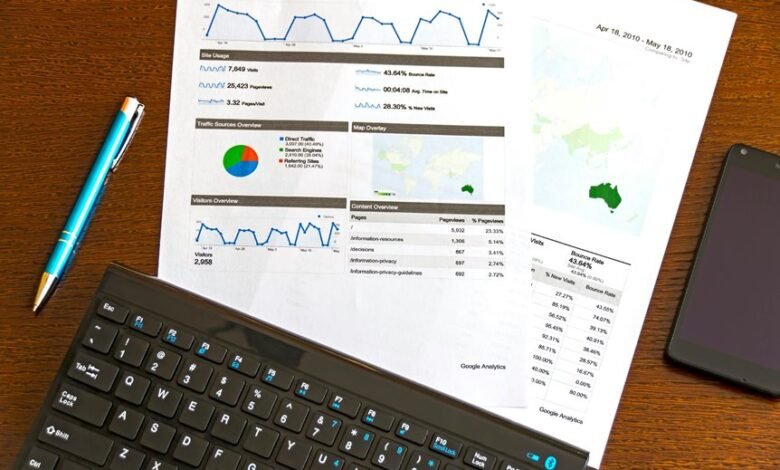
The Business Performance Dashboard serves as a critical tool for organizations aiming to optimize their operations. By integrating various metrics, such as revenue growth and customer satisfaction, it provides a comprehensive overview of performance. This analytical approach not only aids in decision-making but also fosters a culture of continuous improvement. However, the effectiveness of such dashboards can vary significantly based on implementation strategies and data interpretation. Understanding these nuances is vital for maximizing their potential impact.
Importance of Business Performance Dashboards
Although many organizations recognize the significance of data in decision-making, the implementation of business performance dashboards is often overlooked.
These tools offer real-time tracking and visual analytics, enabling leaders to swiftly interpret complex data sets.
Key Metrics for Performance Monitoring
Identifying key metrics for performance monitoring is crucial for any organization striving to achieve its strategic objectives.
Effective performance indicators, such as revenue growth, customer satisfaction, and operational efficiency, provide measurable insights.
Enhancing Decision-Making With Data Insights
How can organizations leverage data insights to enhance their decision-making processes?
By employing data visualization techniques, businesses can transform complex data into accessible formats, facilitating strategic alignment among teams.
This clarity allows decision-makers to identify trends, assess risks, and allocate resources effectively.
Ultimately, integrating data insights into decision-making fosters a culture of informed choices, empowering organizations to navigate challenges with confidence and autonomy.
Driving Continuous Improvement Through Analytics
Organizations can significantly enhance their operational efficiency by leveraging analytics to drive continuous improvement initiatives.
By utilizing advanced analytics tools, businesses can identify performance trends that reveal inefficiencies and opportunities for growth. This strategic application of data enables organizations to adapt swiftly, fostering a culture of innovation and empowerment.
Ultimately, embracing analytics supports the pursuit of excellence and operational freedom in a competitive landscape.
Conclusion
In conclusion, business performance dashboards serve as vital tools for organizations seeking to leverage data for strategic advantage. For instance, a retail chain utilizing a performance dashboard identified a significant decline in customer satisfaction linked to delayed shipments. By addressing this issue through operational adjustments, they not only improved customer retention but also increased revenue by 15% within six months. This example underscores the power of data-driven insights in driving informed decisions and fostering continuous improvement in a dynamic market landscape.